At an AWP panel discussion in 2014, Lawrence Block related a bit of wisdom he’d learned from another author: “Take care of your backlist, and your backlist takes care of you.” He added the advice had served him well over his writing career.
By that point, I’d been writing fiction for several years. I’d met many authors (aspiring and published), attended numerous workshops (formal and informal) and worked with many writing teachers in different genres. Yet, in all that time, I’d never heard this piece of advice. I found Block’s advice to be quite sage, and I continue to believe in it. (It’s also a rare example of writing lore that is worth paying attention to.)
The problem was, in 2014, I didn’t have a backlist. How could I take care of that which does not exist?
(Quick terminology clarification: The standard use of the term “backlist” or “back catalog” refers to a publisher’s catalog of titles released in prior years but still in print or stock. I took Block’s usage to indicate the sum of an author’s work, in print or otherwise.)
He went on and told the panel audience that, when he investigated Amazon’s Kindle Publishing, he realized he could release all his out-of-print books in electronic form and sell them direct without having to shop them around for a publisher. He went through his old contracts and reacquired rights for books his publishers had let lapse. He even paid his agent fifteen percent of the royalties he earned on his direct-sale ebooks “because it was the right thing to do.”
This is a great example of taking care of one’s backlist.
In many ways, Lawrence Block persuaded me to jump onto the Kindle bandwagon. On my way home from the conference, it occurred to me that I was selling myself short. I’d published several short stories in literary journals in the U.S. and Britain, enough to put together a story collection. A few years earlier, a small non-profit in Oakland published a short run of a novella they’d commissioned from me. A big-name author might not call it much of a backlist, but for a small-fry like me, it was a start.
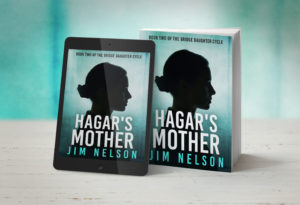
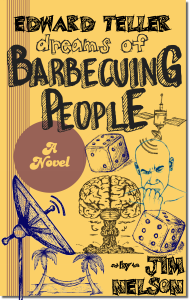
And it was a significant start. I turned my oh-so-modest backlist into two Kindle ebooks. The experience reinvigorated me to finish my first novel, a book I’d been working on and stewing over for nearly fifteen years.
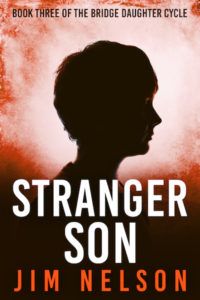
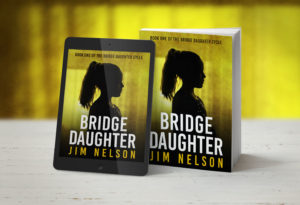
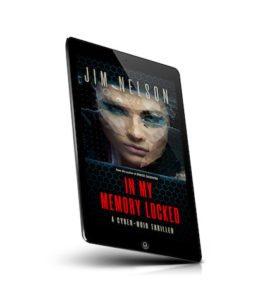
Today, I’ve written seven novels, and have an eighth on the way. I’m hardly an active blogger, but over the last decade-plus, I’ve put out over three hundred blog posts, including many book reviews and critical analyses that I’m proud of. All of that is backlist.
Eleven years after first hearing it, Block’s advice returned to me when I decided to “go wide” and move my backlist to Kobo. And I was thinking of Block when I sent an email to MX Publishing in London inquiring if they’d be interested in taking on A Man Named Baskerville, which I’d already put out as an ebook and in paperback. They accepted—and produced a hardcover and a fantastic audiobook edition, which I brag about to everyone I know, even strangers on the street.
The words you’re reading right now are from my backlist. Years ago, I took a stab at running a Substack. It didn’t work out, but a few of those newsletters are still pertinent, including this one. I freshened it up and posted it here.
Taking care of your backlist
Anything you’ve written and published—an old blog, a book review a university journal printed, that thing you wrote for a neighborhood newsletter—is part of your backlist. Scour your computer’s “Documents” folder. Dig up old clippings. Make a list of everything you’ve written to completion.
Some ideas for taking care of your backlist:
- If you’re building a book series, bundle them into a ebook boxed set edition.
- Take a hard look at your older books. Is it time for a fresh cover? Is that title really catching the reader’s attention?
- Also take a look at your books’ metadata—are they listed with the right keywords and categories?
- Is there a publisher out there that might be interested in taking on one of your old books or series?
- Is it time to go wide and make you books available in more markets?
- Collect your short stories into a book. That short story you couldn’t place? Dig it up and polish it as well. Even the short story collections of big name writers often include unpublished work.
- Convert your blog into a book. Over the years, I’ve written a number of entries on book, film, and television. I’m thinking about gathering them up and producing an essay collection.
- Work with writers you know, who live in your area, or who write in the same genre. Assemble a collection of short stories or first chapters as a sampler. Each author can include a short bio and links for readers to buy more of their work.
- YouTube, audiobooks, translations, Substack, and podcasts offer new ways to make your work available.
What’s the point of all this? Will it make you money? Will it sell more books?
Maybe…and maybe not. Don’t overlook using your backlist to increase your exposure. Short story collections don’t sell particularly well—they never have—but you can offer a collection as an incentive for people to sign up for your mailing list. Services like Patreon are always asking you to think creatively about sharing premium or subscriber-only work with your patrons. Plus, a few additional titles on your web site and social media profile doesn’t hurt.
You never know when one of these side avenues piques a reader’s interest and leads them to try your more recent work. Even one new reader is a success. I rejoice every time someone reads one of my books. For me, that’s the whole purpose of this crazy focus in my life.